

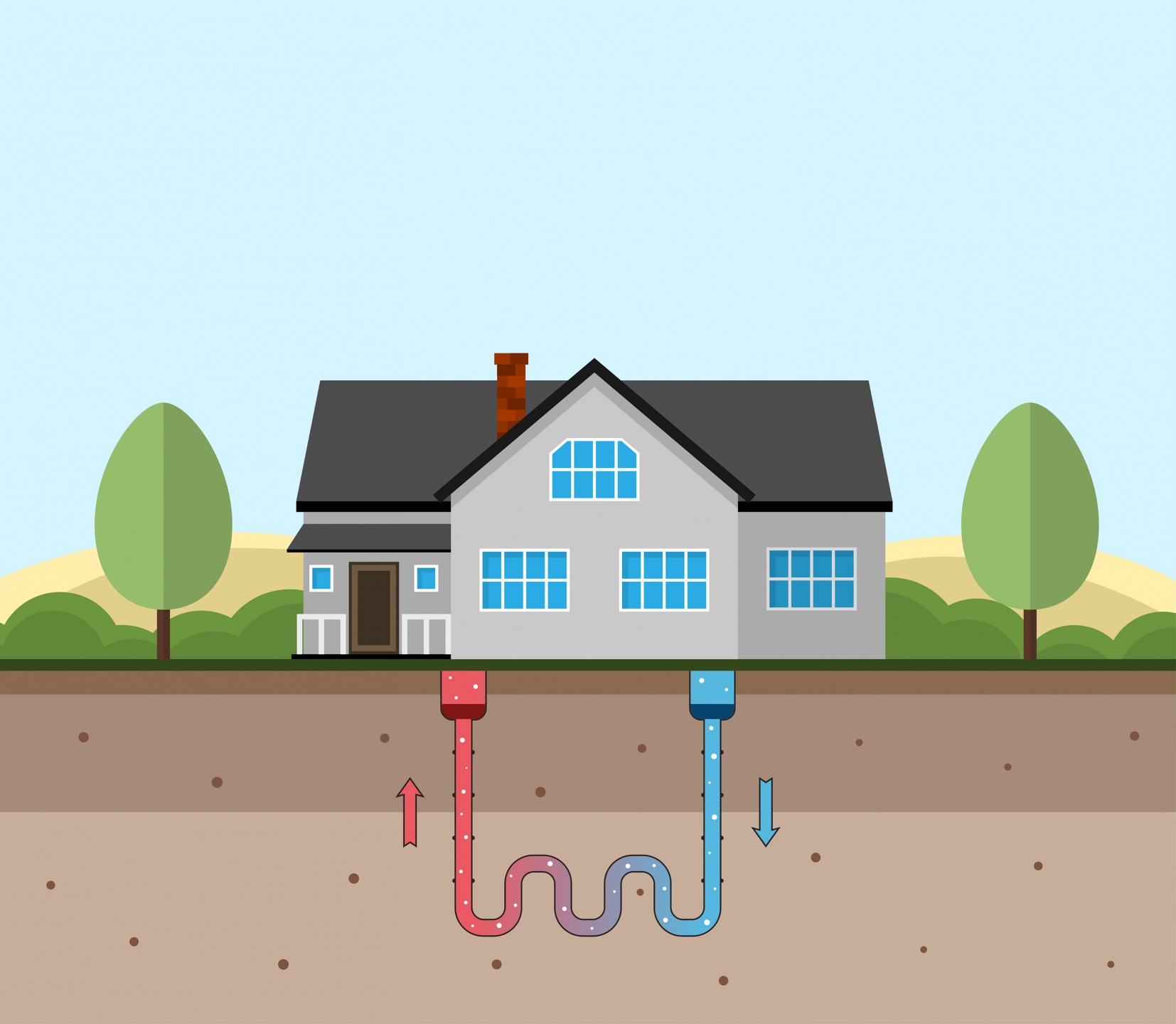
Out of all the HVAC systems available, from ductless systems to central air conditioners, geothermal systems just sound the coolest, right? It’s no coincidence!
Geothermal technology has been around for a while but it’s just now reaching its stride. The gist behind it, as we’ll get into further below, is centered on the fact that the temperature just beneath the earth’s crust is extremely mild. If you were to dig down a hundred feet or so, the temperature would be a mild 50 degrees all year round, no matter where you lived. For a broader understanding of your options and expert tips, browse our HVAC advice blog.
That means you’ve got access to cool, comfortable temperatures right beneath your very property. A geothermal system in Sapulpa, OK is just designed to bring those temperatures to where you can feel them. So, as we explain how this technology works, we hope some potential customers out there decide to call us and evaluate this as a viable option.
What Do HVAC Services Include and How Geothermal Fits In
HVAC services typically cover:
- Installation of heating, ventilation, and air conditioning systems
- Routine maintenance to preserve efficiency and longevity
- Repairs to address system failures or performance issues
- System replacement when existing units are outdated or failing
- Geothermal HVAC, which qualifies because it:
- Provides both heating and cooling via earth‑temperature exchange
- Requires the same professional servicing (installation, repair, maintenance)
- Offers high energy efficiency and lower operating costs
Geothermal Heating and Cooling: The Basics
A geothermal heating and cooling system operates with a pretty simple premise. It uses heat pumps to draw heat from one location and disperse it in another. The one caveat that makes a geothermal heat pump different from a regular heat pump, is where the heat gets transfered to and from.
On a cold day, your geothermal heat pump would take heat from the earth’s crust and bring it into your home, which is more efficient than drawing it from the atmosphere. And on a hot summer’s day, your geothermal system would take heat from your home and deposit it underground, replacing it with cool, conditioned air taken from the earth’s crust. It’s really that simple.
Now that you know how it works, here are three distinct advantages to owning a geothermal system.
- Supreme efficiency. Very few systems come close to the incredibly energy efficiency that a geothermal system has.
- Eco-friendly. Due to the source of your heat and the energy efficiency, goethermal HVAC systems are the most eco-friendly units on the market.
- Long lasting components. While the heat pumps need to be replaced every 10-15 years, the underground pipes last for a lifetime (upwards of 50 years!).
The Heat Pump Component
First, your local professional is going to have to find the right heat pump components for your home. Even though the cooled or heated air is coming from underground, a heat pump is still required to transfer that heat. This will depend on the size and style of your home, which is why you’ll need to defer to our professionals for an expert opinion. Homeowners curious about broader HVAC performance should also learn about common AC issues to watch for.
The Underground Pipes
We’re not done yet! By far the most expensive aspect of geothermal heating and cooling is the installation of the underground pipes. These pipes are used to transfer the heat energy from the earth’s crust into your home, and oftentimes expensive drilling equipment is required for this kind of excavation.
This might be the one downside to geothermal HVAC–the cost. This kind of work can be expensive, and you’ll likely invest more money in this kind of system than you would a regular heat pump or traditional central HVAC setup. But the benefits clearly outweigh the negatives, and you’ll be seeing returns on this investment for years to come.
Frequently Asked Questions
Question: What is the basic principle behind geothermal HVAC systems?
Answer: A geothermal HVAC system uses a heat pump to transfer thermal energy between your home and the ground. In winter, it draws heat from underground and moves it indoors; in summer, it removes heat from indoors and deposits it into the ground.
Question: Why are geothermal systems considered more efficient than conventional systems?
Answer: Because underground temperatures remain relatively stable year‑round, geothermal systems don’t have to overcome large air temperature swings. This stability lets them use far less energy for heating or cooling.
Question: What components make up a geothermal HVAC system?
Answer: The two main parts are the heat pump (which moves heat in or out) and underground piping (which exchanges heat with the earth). The piping network is often the most expensive part to install.
Question: What are the advantages and drawbacks of using geothermal HVAC?
Answer: Advantages include high energy efficiency, eco-friendliness, and long lifespan (underground pipes can last 50 years). Drawbacks are high upfront installation cost and the need for suitable property and soil conditions.
Get started today by scheduling a comfort consultation with JC Mechanical, The Wizard of Blizzard!